
The Evolution of Survival Horror: A Deep Dive into the Genre’s History and Impact
Introduction to Survival Horror
Survival horror has long reigned as a pivotal genre within the gaming world, known for pushing players’ endurance and nerves to their limits. Often characterized by scarce resources, atmosphere-induced tension, and intense combat sequences, this genre captivates players by placing them in a constant state of alertness. Survival horror history is marked by innovation and crowd appeal, making it a cornerstone of the gaming landscape. Its unyielding pressure and suspenseful gameplay bring a unique depth to gaming, ensuring that survival horror remains a beloved genre across generations.
Historical Overview of Survival Horror History
The evolution of survival horror in the gaming industry took root in the mid-90s. It was during this time that titles like Resident Evil, developed by Capcom, and Silent Hill by Konami, emerged as revolutionary forces. These games set new benchmarks by combining eerie narratives with mechanics that made players feel vulnerable rather than omnipotent. Not only did they define the genre, but they also shaped player expectations, making these qualities staple components of successful horror games.
Consider Resident Evil for example: Upon entering a seemingly abandoned mansion, players are met with limited resources, jump scares, and formidable opponents. Much like balancing on a tightrope, players must strategize every move—an approach that became a gold standard in the genre source: IGN.
Defining Characteristics of Survival Horror Games
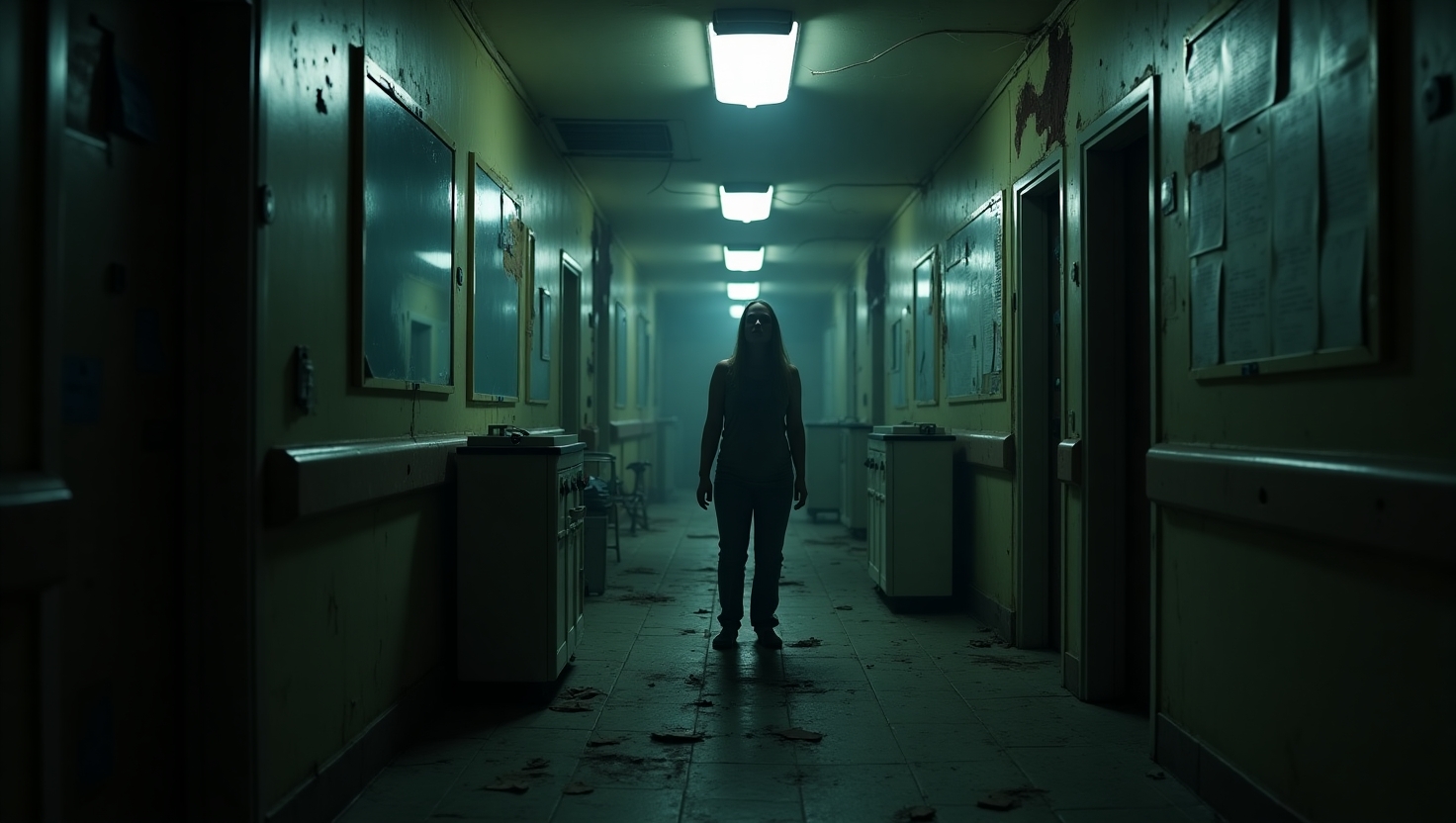
At its core, survival horror thrives on the imbalance of power between players and adversaries. This power dynamic is reflected in bleak environments, infrequent save points, and limited ammunition—all designed to heighten tension. The maze-like settings evoke a sense of claustrophobia, ensuring players are constantly on edge. Additionally, the psychological warfare experienced from relentless pursuers keeps gamers engaged, offering both psychological thrill and challenge.
Key Milestones in the Evolution of Survival Horror
Through decades, the evolution of survival horror has witnessed significant shifts. Titles like Silent Hill 2 deepened narrative complexity, introducing psychological horror elements that explored deeper emotional themes. Meanwhile, games like Amnesia: The Dark Descent redefined mechanics by omitting traditional weapons, further emphasizing vulnerability and fear. In more recent times, the genre saw a blend with action-oriented gameplay as developers sought to appeal to broader audiences. Despite such shifts, the core tenets of survival horror endure, adapting to match player demands and technological advancements.
Top Horror Games That Shaped the Genre
The tapestry of survival horror history is woven with standout titles that have influenced both players and developers:
– Resident Evil (series): A pioneer that popularized the genre worldwide.
– Silent Hill (series): Known for its immersive storylines and psychological depth.
– Alan Wake 2: Blending horror with cinematic storytelling.
– Amnesia: The Dark Descent: Enhanced horror through the absence of traditional weapons.
– Outlast and Alien: Isolation: Focused on atmospheric horror and stealth.
– Resident Evil 7: Biohazard: Revived core elements with first-person perspectives.
– Dead Space: Merged science fiction with horror.
– Clock Tower: Early influence with its cinematic approach.
– Silent Hill 2: Epitomized psychological horror with emotionally impactful narratives.
Recent Trends and Future of Survival Horror
Recent years have welcomed a genre analysis that reveals a resurgence of classic survival horror mechanics. Titles like Resident Evil 7 and Alien: Isolation have been well-received for leveraging new technology to amplify fear and immersion. Looking forward, the future of survival horror seems bright, with potential technological integration such as VR providing even more immersive experiences. The genre’s ability to reinvent itself while upholding core elements suggests we may see even more sophisticated and chilling adventures ahead.
Conclusion: The Lasting Legacy of Survival Horror
Throughout its evolution, survival horror has undoubtably left an indelible mark on gaming. It has transformed from early iterations to contemporary titles, all while maintaining its core appeal of fear and suspense. Beyond just scares, these games offer rich gameplay experiences that challenge players both strategically and emotionally. As new generations of gamers continue to dive into this chilling genre, the appeal of survival horror remains as potent as ever, affirming its ongoing legacy and relevance.
Additional Resources
For further exploration into survival horror history and genre analysis, be sure to check out IGN’s comprehensive list of the best survival horror games. This resource provides valuable insights into the games and developers that have shaped the genre over the years.
Through deep dives and retrospective studies, enthusiasts and newcomers alike can appreciate the enduring allure and adaptability of survival horror, a genre that continues to evolve and captivate audiences around the world.