
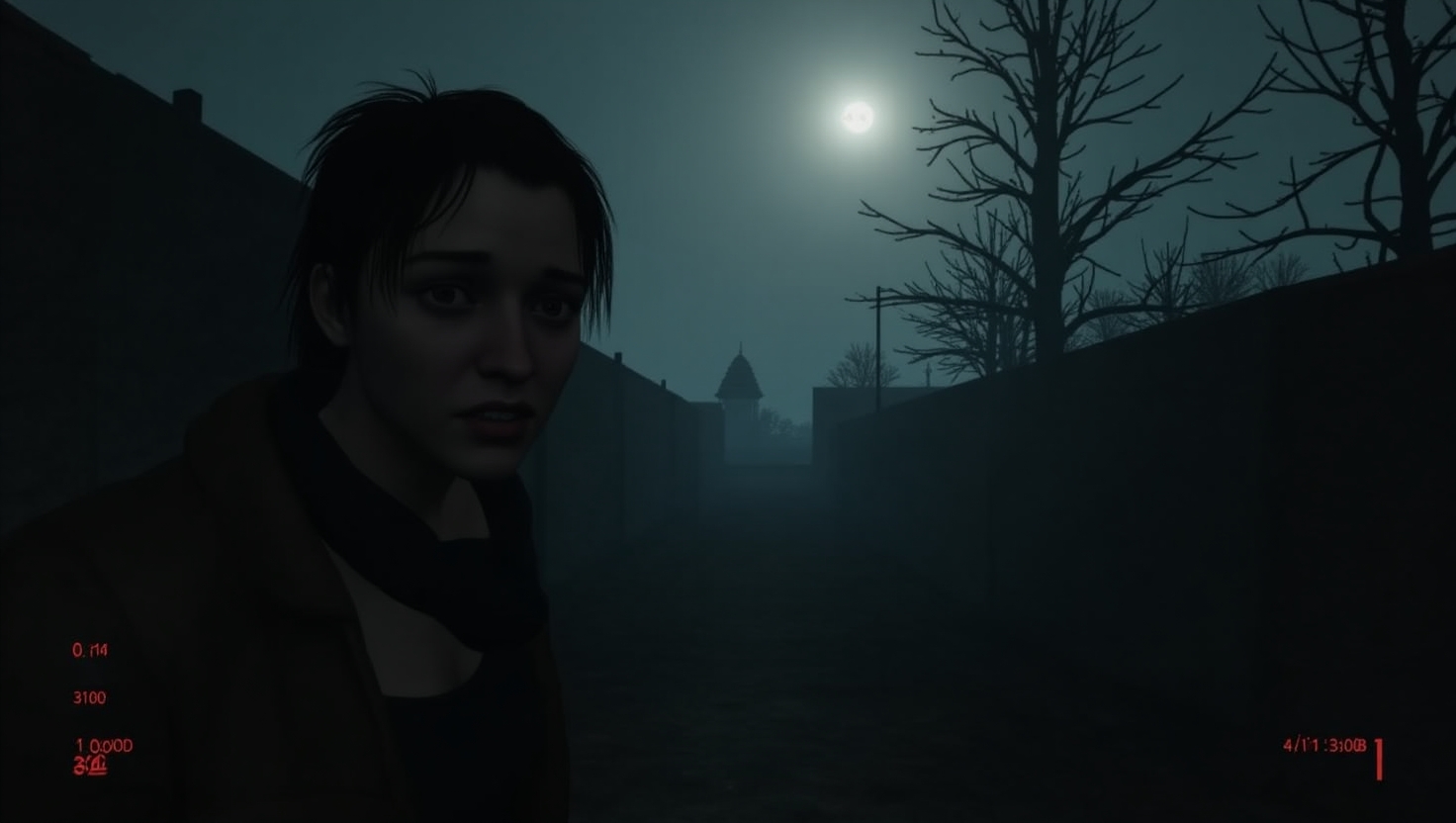
The Evolution and Mechanics of Survival Horror: A Deep Dive into Game Design
Introduction
Survival horror, a subgenre of video games, has captivated audiences with its spine-chilling narratives and immersive gameplay experiences. This genre shines in its ability to induce fear, suspense, and exhilaration through meticulously crafted game design. Fundamental to these experiences are the underlying Survival Horror Mechanics, which dictate how players navigate treacherous landscapes filled with terrifying antagonists. Understanding these mechanics offers a glimpse into the artistry needed to create successful horror gameplay and enriches our appreciation of this enduring genre.
Historical Context of Survival Horror
The roots of survival horror can be traced back to the revolutionary release of Resident Evil in 1996. This game effectively laid down the foundational mechanics that would become staples of the genre. From the intricate puzzles that boggled players’ minds to the tight resource management that kept them on edge, Resident Evil set the stage for the evolution of horror gameplay.
Over the decades, titles like Silent Hill, Fatal Frame, and more recently, Amnesia: The Dark Descent, have expanded on these early mechanics, enhancing storytelling and player immersion. Each milestone brought unique innovations, helping the genre evolve from mere thrills to deeply psychological narratives that explore the intricacies of fear.
Core Components of Survival Horror Mechanics
Power Dynamic
A defining characteristic of survival horror mechanics is the power dynamic between players and enemies. Unlike action games, where players often overpower adversaries, survival horror games place characters in precarious situations where enemies are daunting and formidable. For example, in Alien: Isolation, the constant threat of a seemingly invincible alien creates relentless tension, testing players’ wit and composure. This imbalance is crucial in crafting an engaging and terrifying experience.
Resource Management
Resource management is a cornerstone of survival horror gameplay. Limited ammunition, scarce health kits, and constrained inventory space force players into strategic decision-making, often under life-or-death pressure. This scarcity turns ordinary decisions into significant choices, heightening suspense and immersion. The tension felt when choosing between health or ammunition perfectly illustrates the survival aspect of these games.
Exploration
The ominous environments in survival horror games compel players to explore dark, foreboding landscapes reminiscent of classic horror films. Games like Silent Hill and Amnesia utilize environmental design to evoke dread, using shadows, desolate settings, and cryptic clues to engross players in the narrative.
Puzzle Mechanics
Puzzles have long been a staple in horror gameplay, serving as both a narrative device and a break from relentless tension. A well-crafted puzzle not only challenges a player’s intellect but also deepens the storyline, crafting an interconnected experience that enhances engagement. Games such as Silent Hill masterfully integrate puzzles, ensuring they contribute meaningfully to the overall horror tapestry.
Related Elements Influencing Horror Gameplay
The efficacy of survival horror mechanics is often enhanced by supplementary elements such as psychological fear, sound design, and visual storytelling. The psychological aspects delve into the player’s subconscious, creating fear through anticipation and the unknown. Sound design, with its eerie ambient noises and sudden shrieks, amplifies built tension, enveloping players in a sensory nightmare. Visual storytelling, through dimly lit corridors and grotesque imagery, solidifies the game’s unsettling atmosphere.
Case Studies: Impact of Classic Titles on the Genre
Analyzing classic titles provides insight into how core survival horror mechanics have shaped the genre. Resident Evil established the framework of survival horror, setting expectations for what’s possible within the genre [IGN Article]. Its legacy is evident in games like Silent Hill, which ventured into psychological horror, broadening the genre’s thematic scope. Meanwhile, modern games like Amnesia and Outlast have redefined player expectations, focusing on vulnerability and fear of the chase, continuing to evolve gameplay mechanics [IGN Article].
Conclusion
Survival horror mechanics remain a potent force in game design, crafting unforgettable and spine-tingling experiences through calculated design choices. As technology advances, so too will these mechanics, offering new avenues for innovation and terror. For anyone intrigued by these dynamics, diving into survival horror games can provide not only a thrill but an educational journey into the depths of fear in gaming.
For further exploration of survival horror’s evolution and its impact on gaming design, check out related readings, such as \”The Best Survival Horror Games\” on IGN.
Explore how these survival horror mechanics continue to influence modern titles and redefine the genre with each frightening innovation.