
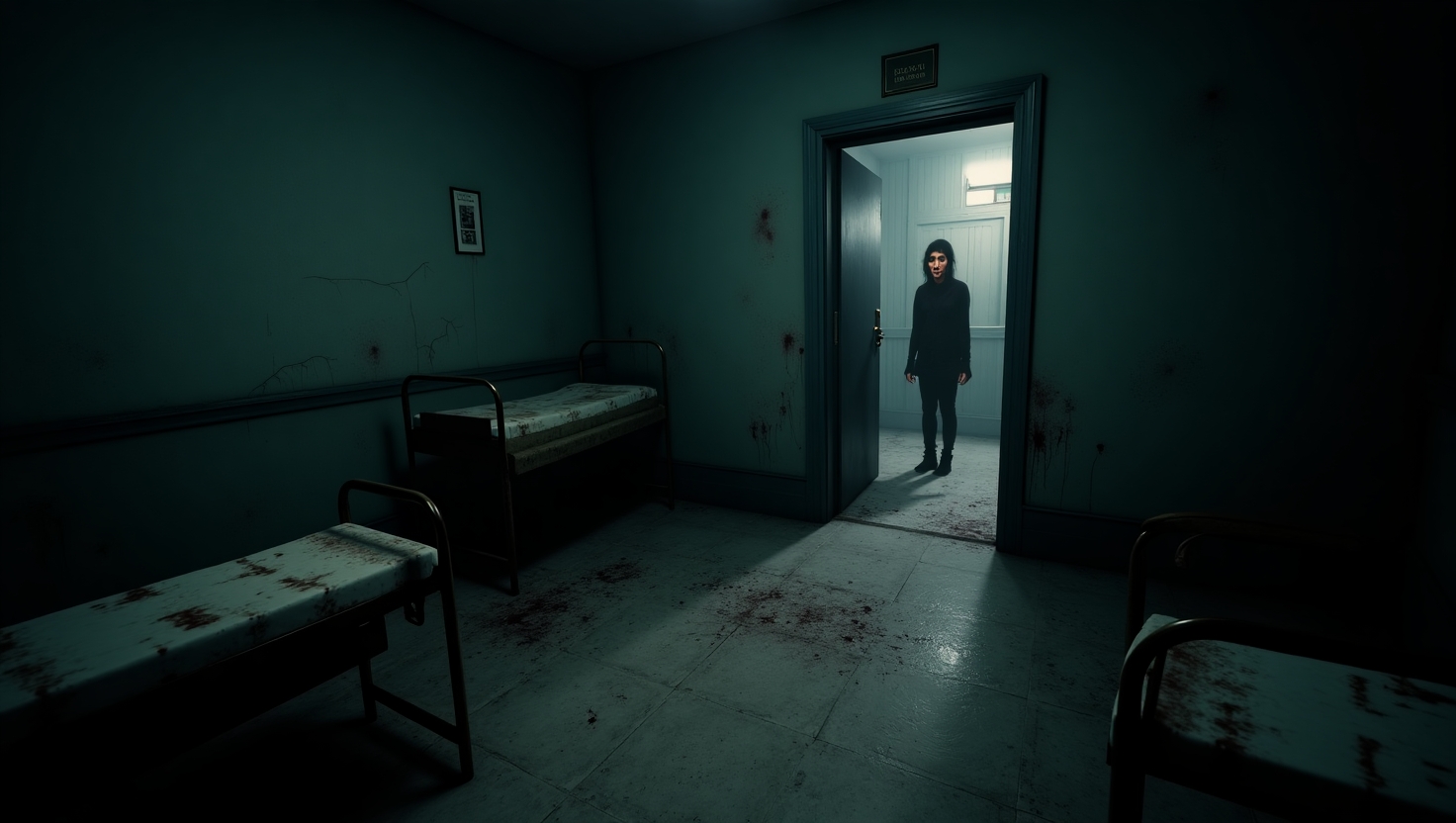
Delving into Psychological Horror: A Distinct Game Genre
In the vast and varied landscape of video games, certain genres tap into the deepest corners of the human psyche. Among these, psychological horror stands out by crafting uniquely immersive experiences that go beyond mere jump scares. Through this analytical exploration, we’ll dissect the nuances of psychological horror, a game genre that continues to captivate and terrify players worldwide.
Understanding Psychological Horror
Defining Psychological Horror
In the realm of video games, psychological horror is a sub-genre deeply rooted in the manipulation of emotions and mental states. Unlike traditional horror games that might rely heavily on graphic visuals or sudden frights, psychological horror delves into the intangible fear that exists within the mind. The emphasis lies not just on what is seen, but on what is felt, often leaving players questioning their own perceptions and decisions within the game.
Key Elements and Distinctions
What sets psychological horror apart from survival horror, or other associated horror genres, is its focus on subtlety and mental distress. These games often feature unreliable narrators, distorted realities, and fragmented storytelling that intentionally distorts the player’s sense of reality. The sense of dread is slowly cultivated, tapping into fears that are both personal and deeply embedded in human consciousness.
Characteristics of Psychological Horror Games
Psychological Triggers
Using psychological triggers, these games craft an atmosphere of constant unease. They exploit fears of the unknown, using abstract visuals and soundscapes to disorient players. An analogy to understand this might be the unsettling feeling of walking through a dark, unfamiliar house alone, constantly expecting something to jump out, yet the fear lies more in the shadows than in any monsters revealed.
Gameplay Mechanics Compared to Survival Horror
In contrast, survival horror emphasizes resource management and the ever-present threat of physical danger. While games like Resident Evil necessitate a strategic survival approach, psychological horror games like Silent Hill immerse players in a narrative-driven labyrinth that explores themes of guilt, isolation, and the darkness of the human mind. The focus is on evoking emotional resonance rather than overcoming tangible in-game challenges.
Game Genre Distinctions: Psychological Horror vs. Survival Horror
Comparative Analysis
A direct comparison reveals that psychological horror games prioritize storytelling and atmospheric depth over the visceral thrills synonymous with survival horror. In Silent Hill, for instance, the monstrous design reflects the protagonist’s inner turmoil, creating a symbolic rather than just a literal threat. Conversely, survival horror classics such as Resident Evil center around a more immediate danger, defined by the physical act of surviving in a hostile environment (source: IGN).
Unique Features of Psychological Horror
The unique features of psychological horror games include a nonlinear narrative, symbolism, and a profound exploration of complex themes like sanity and morality. The player’s journey is less about defeating enemies and more about confronting their own fears and insecurities.
Notable Psychological Horror Titles
Influential Games
Renowned for their gripping storytelling and haunting atmospheres, certain games have become staples of the psychological horror genre:
– Silent Hill: Known for its fog-shrouded town and emotionally intense narrative, Silent Hill explores the protagonist’s psyche, where every creature is a manifestation of internal conflict.
– Amnesia: The Dark Descent: This game immerses players in a chilling, isolated environment while gradually uncovering the protagonist’s dark past through fragmented memories.
– Alan Wake: Mixing psychological and action elements, Alan Wake presents a narrative about a writer combating malevolent forces within his own story.
These titles have not only influenced the horror genre broadly but have also set benchmarks in crafting emotionally engaging experiences that blur the line between reality and illusion.
A Historical Perspective on Psychological Horror
Evolution of the Genre
The psychological horror genre has evolved significantly since its inception, with notable advancements in storytelling techniques and immersive technologies. Early pioneers like Silent Hill laid the foundation for games that encouraged introspection over action. Over the years, titles like Amnesia and Alan Wake have further innovated the genre by integrating elements of adventure and mystery, thereby adding depth to narrative exploration.
Since its evolution, psychological horror has consistently captivated audiences by pushing the boundaries of narrative and emotion in gaming. Its growth mirrors advancements in game design and technology, allowing developers to craft increasingly sophisticated and impactful experiences.
Why Psychological Horror Resonates with Players
Emotional and Psychological Impact
Psychological horror games resonate on a deeply personal level, engaging players not only through gameplay but through emotional and intellectual challenges. By playing with expectations and intertwining story with psychological themes, these games evoke anxiety, curiosity, and sometimes even introspection, providing a unique cathartic experience.
Audience Engagement through Fear
The appeal lies in the exploration of fears deeper than any virtual monster’s howl–the fear of the unknown, of what lurks within oneself. The psychological horror genre harnesses this anxiety, immersing players in a reality where their own minds become the battleground.
Conclusion: The Future of Psychological Horror Games
Upcoming Trends and Reader Interaction
Looking towards the future, developers in the psychological horror genre are likely to further incorporate emerging technologies like virtual reality to deepen player immersion. With the potential for more nuanced storytelling and real-time player interaction, the next generation of psychological horror games promises to blur the line between reality and fiction even further.
We invite our readers to share their thoughts on what games best define the psychological horror genre. What upcoming titles are they most excited about, and how do they see the genre evolving? Engage with us in the comments section below.
For further reading on related horror genres, consider delving into the historical significance and characteristics of survival horror games, expertly discussed in this comprehensive article available at IGN.
—
In the continually evolving landscape of video games, psychological horror remains a testament to the profound impact of narrative-driven experiences—a genre where the true terror lies not in the monster lurking in the shadows, but in the reflection of our own deepest fears.