
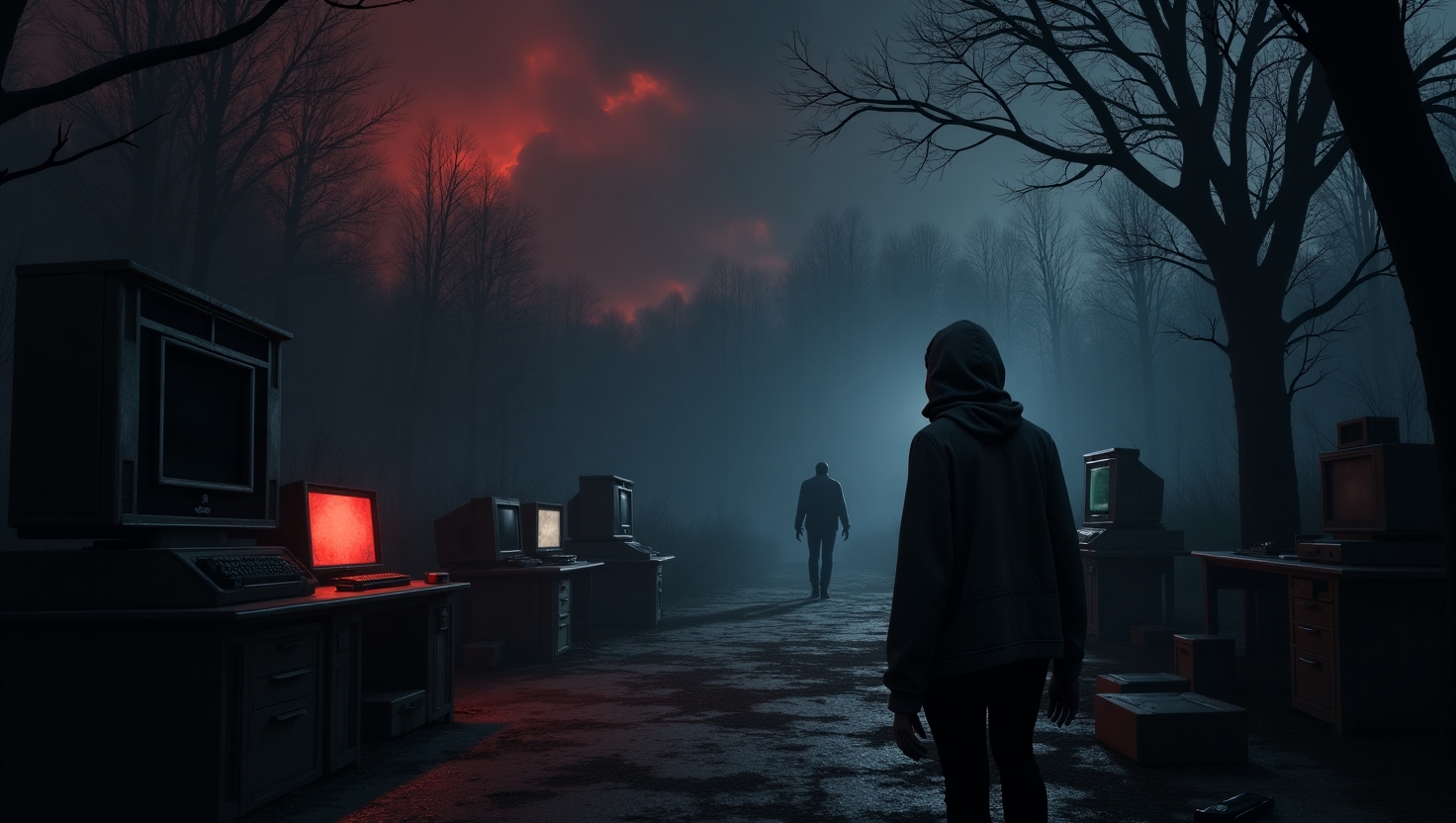
The Future of Survival Horror: Embracing New Gaming Trends
Introduction to the Evolution of Survival Horror
In the shadowy corridors of the gaming industry, a genre has lurked, both in the hearts of its players and at the edge of innovation—the survival horror genre. Defined by its tension-building ambiance, intricate storytelling, and critical decision-making, survival horror has long been a staple, captivating players with its chilling allure. Since its inception over 30 years ago, the horror genre has evolved from archaic, pixelated fears to finely crafted nightmares that keep gamers on the edge of their seats. Like a ghostly apparition refusing to fade away, survival horror continues to haunt its way into the homes of gamers globally. Resident Evil’s groundbreaking release in 1996 established a foundation, leading to iconic titles that have since taken the genre to unprecedented heights [^1^].
—
Understanding Current Gaming Trends
In an industry characterized by constant innovation, survival horror adapts stealthily, incorporating recent gaming trends that enhance player immersion. With technological advancements, the genre is increasingly influenced by improved graphics, realistic soundscapes, and compelling narratives. Indeed, gamers’ cravings for deeper storytelling and high levels of engagement have set the stage for a metamorphic journey. Player engagement—now more interactive than ever—demands narratives that unfold as players progress, echoing the structure of choose-your-own-adventure games. These advancements augment the immersive terror, proving technology isn’t just a toolkit for developers but an ever-expanding Pandora’s box ready to unleash new dimensions of fear[^2^].
—
The Future of the Horror Genre
What lies ahead for the horror genre? This question tantalizes developers and fans alike. As VR and AR break new ground, they promise an immersive horror experience that might become the genre’s new cornerstone. VR headsets enable players to traverse ghostly realms as though they’re truly part of them, while AR blurs lines between reality and the digital phantasmagoria by superimposing creatures into our actual world. It’s like opening a forbidden chest of horrors—once unlocked, the experience is markedly visceral and shockingly real.
Furthermore, as player expectations evolve, so too might the genre’s direction. Gamers no longer seek mere jump scares. They’re yearning for rich storytelling interwoven with horror tropes—plot twists, moral decisions, and character development that make each terrifying journey their own.
—
Key Titles Shaping the Genre
Survival horror exists in a precarious balance—a carefully curated alchemy of fear, gameplay, and suspense. Iconic titles like Resident Evil, Silent Hill, and Outlast have not just reflected but shaped this ever-evolving genre. Resident Evil 2, often hailed as the pinnacle of survival horror, set benchmarks of design that others consistently aspire to emulate. Most recently, Alan Wake 2 broke fresh ground with its innovative approach, revitalizing genre norms with a compelling narrative and haunting visuals[^1^]. These trailblazers aren’t merely games; they are blueprints for future creators aiming to tread into these dark waters.
—
Defining Characteristics of Survival Horror Games
Survival horror games boast several defining characteristics which serve as genre hallmarks. From critical resource management and labyrinthine environments that foster a constant sense of dread, to an ominous sound design that plays tricks on your mind, these elements construct a stage where fear plays its main act. Yet, just as the genre has evolved with every decade, so too will these characteristics. As player expectations become more sophisticated, we might anticipate a shift towards complex emotional narratives paired with sophisticated AI capable of dynamic storytelling—a chilling prospect for even the bravest souls.
—
Conclusion: Embracing Change in Survival Horror
As we stand on the precipice of evolution within survival horror, embracing change becomes not just inevitable but exhilarating. The road ahead is paved with tech-driven possibilities and intricate narratives that will continually redefine what it means to shiver in the gaming realm. In embracing these changes, the survival horror genre promises a future that is not confined to its ghosts of the past, but rather a thrilling prospect of experiences yet to be imagined.
—
Call to Action
What do you think the future holds for the genre? Share your thoughts and tell us your favorite survival horror titles in the comments below. To delve deeper into this fearsome journey, explore our detailed ranking of the best survival horror games here.
[^1^]: https://www.ign.com/articles/the-best-survival-horror-games
[^2^]: Illustration of how current trends impact the sector, using technological and player engagement examples.