
The Complete Call of Duty Timeline: A Journey Through FPS Gaming History
Introduction to the Call of Duty Franchise
The Call of Duty franchise holds a venerable place in video game history, much like a revered sports team is to its followers. Since its inception in 2003, it has not only become a staple in the FPS games genre but has also revolutionized the way players interact with games. Whether it’s the adrenaline-rushing campaign modes or the highly competitive multiplayer arenas, Call of Duty has set itself apart by delivering immersive experiences that resonate across generations of gamers.
As a transformative force in video gaming, Call of Duty has had an enduring impact on the FPS genre. By pioneering new storytelling techniques and mechanics, it has consistently raised the bar for what players expect from their gaming experiences. This exploration of the Call of Duty timeline will delve into its profound effects and enduring legacy in the realm of FPS games.
The Evolution of Call of Duty Games
The journey of the Call of Duty series began in 2003, crafted by Infinity Ward and published by Activision. The original game was set in World War II and provided players with an immersive experience that was unprecedented at the time. Over the years, the series has matured and diversified, exploring various historical settings and futuristic landscapes, leading to the latest titles like Call of Duty: Modern Warfare II and Black Ops Cold War.
Each new installment has introduced notable gameplay innovations, from the refined realism in combat mechanics to the introduction of online multiplayer functionality. For example, Call of Duty 4: Modern Warfare set a new standard in 2007 by incorporating intricate storylines combined with robust online multiplayer modes, redefining expectations for FPS games source.
Key Milestones in the Call of Duty Timeline
Throughout its history, Call of Duty has reached several key milestones that have enriched its narrative and gameplay. With over 20 titles featuring single-player campaigns source, the franchise has cemented itself as a heavyweight in the gaming world. Iconic entries like Call of Duty: Modern Warfare, Call of Duty: Black Ops, and Call of Duty: WWII have contributed significantly to its legendary status. Each of these titles introduced remarkable innovations, such as the introduction of ‘Zombies’ mode in World at War, which has become a beloved staple of later games.
The series has also seen new platforms, such as the successful offering of Call of Duty Mobile, launched in 2019, which continues to thrive and expand its player base source.
The Influence of Call of Duty on Game Design and Multiplayer Gaming
One of the most substantial contributions of Call of Duty to the gaming industry is its influence on multiplayer gaming. By setting new standards for multiplayer modes, Call of Duty introduced concepts like kill streak rewards, which have since become a norm in FPS games. Its matchmaking system revolutionized online gaming by seamlessly connecting millions of players worldwide, ensuring competitive and engaging experiences.
Furthermore, Call of Duty provided a fertile ground for aspiring esports athletes, similar to how a playing field would for budding sports stars. The franchise has played a crucial role in the rise of competitive gaming, nurturing talent and building thriving esports communities around the world.
Notable Characters and Storylines in Call of Duty
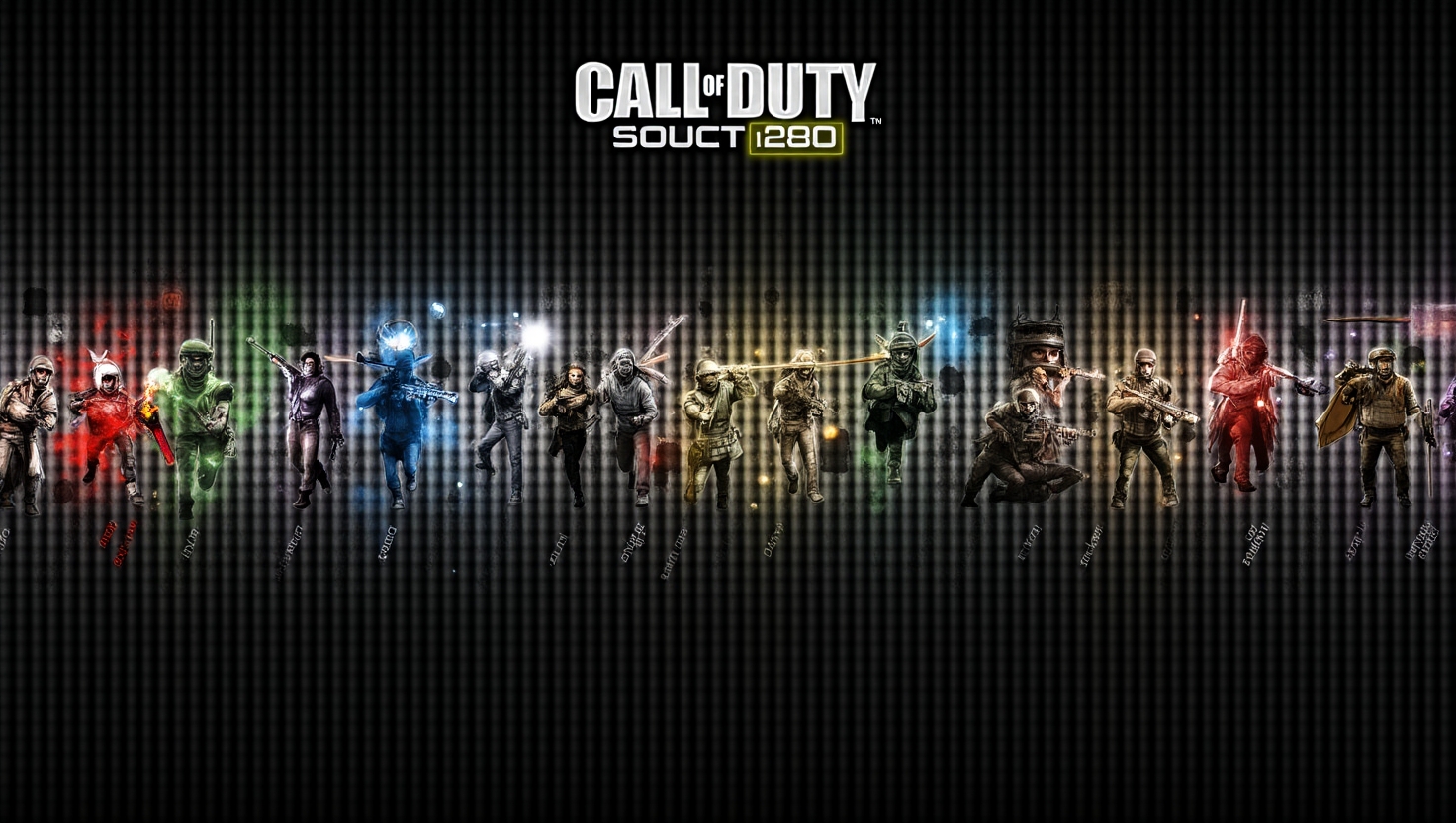
Characters in Call of Duty are more than just avatars; they are intricately woven parts of its storytelling fabric. Famous characters such as Captain Price, Soap MacTavish, and Alex Mason have become household names, much like legendary heroes in epic tales. They have captivated audiences with their gripping narratives, emotional depth, and complex moral dilemmas.
The franchise’s storytelling has evolved from straightforward WWII documentaries to multifaceted plots exploring moral ambiguity and complex geopolitical scenarios. This evolution in narrative design mirrors a modern graphic novel’s transformation into a serialized drama, rich in character development and nuanced story arcs.
Future of the Call of Duty Franchise
Looking to the future, the Call of Duty timeline shows no signs of slowing down. As technology advances, upcoming titles will likely harness augmented reality, richer graphics, and more sophisticated AI to enhance gameplay. Innovations in virtual reality could potentially take the immersive experiences to new heights, crafting battlefield scenarios that are more interactive and engaging.
Speculating on future narratives, the series may dive deeper into complex political landscapes or explore entirely new dimensions, drawing inspiration from current global issues. The ability to integrate real-world scenarios seamlessly into their storytelling could position future Call of Duty titles as pivotal cultural reflections of their time.
Conclusion
The Call of Duty timeline is a testament to the franchise’s monumental impact on video game history. It has shaped the landscape of FPS games, influenced game design, set benchmarks for multiplayer experiences, and delivered unforgettable storylines and characters. As we anticipate the franchise’s next move, the Call of Duty series continues to invite players old and new to immerse themselves in its rich, action-packed universe.
For those eager to explore this iconic series further, the journey through Call of Duty offers not only entertainment but also an exploration of gaming evolution over the decades. Whether you’re a seasoned veteran or a curious newcomer, the franchise offers countless hours of engaging gameplay and compelling narrative.
For more insights into the evolution of this groundbreaking franchise, don’t miss these related articles.