
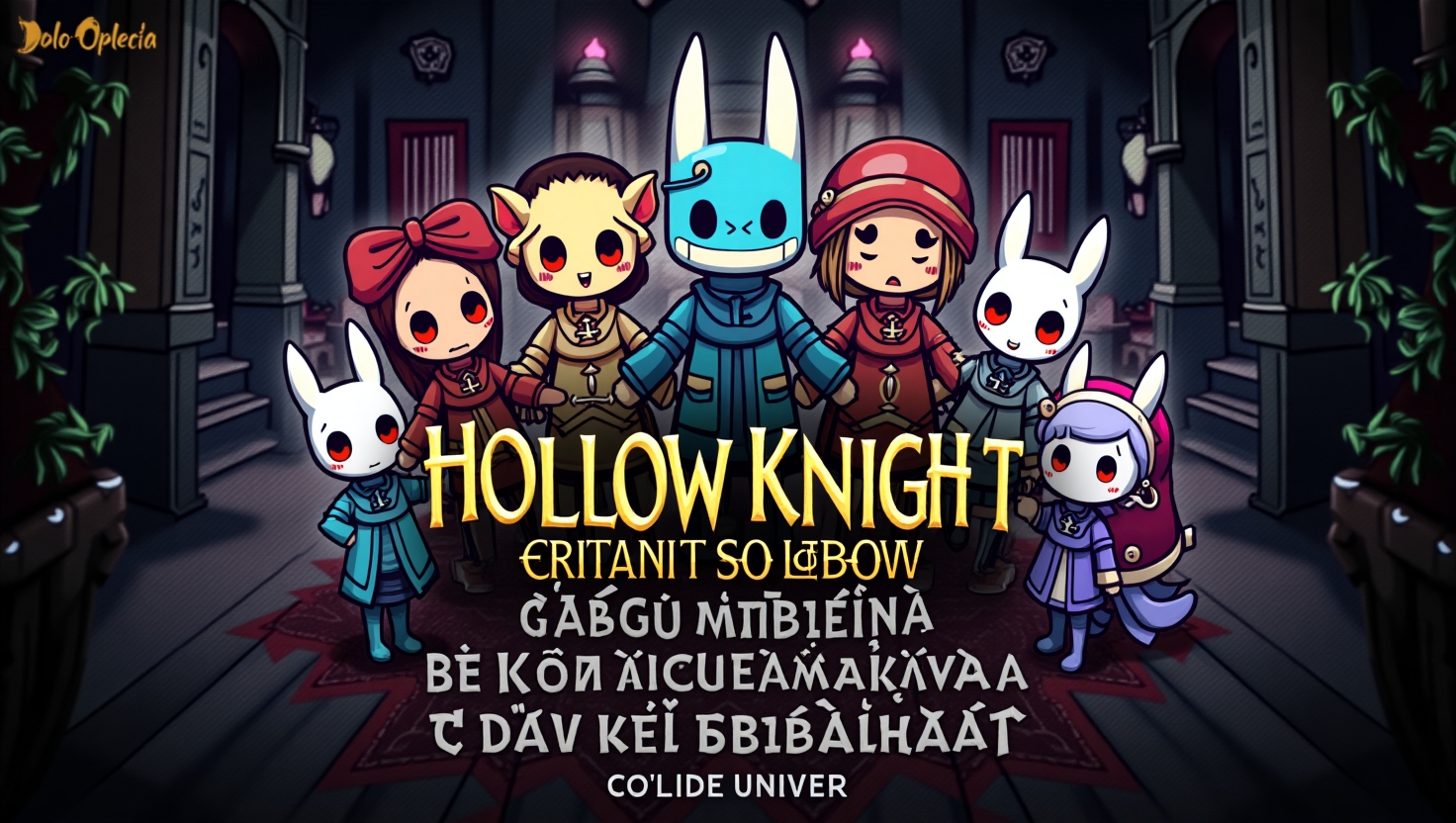
Hollow Knight Translation: Bridging Cultures Through Game Localization
In the ever-evolving world of gaming, few elements have the potential to unite or divide like the art of translation. The indie darling Hollow Knight, developed by Team Cherry, is a shining example of how thoughtful game localization can enrich player experiences globally. But what exactly makes Hollow Knight’s translation so impactful, and how does it resonate within various gaming communities?
Understanding Game Localization in Hollow Knight
Game localization is more than a simple translation of text; it’s the delicate transformation of a game’s cultural context, dialogue, and narrative structure to resonate with players around the globe. For Hollow Knight, this meant crafting an experience that maintained the original’s eerie charm, profound storylines, and intricate character development — no small task when these elements are the backbone of its enigmatic universe.
How Hollow Knight’s Translation Enriches Player Experience
The Hollow Knight translation exemplifies how game localization can bridge culture gaps. Rewriting language-specific nuances while maintaining the game’s tone allowed non-native speakers to fully immerse themselves in the mysterious world of Hallownest. Imagine playing Shakespeare’s works translated without the beauty of old-world prose; just as its richness would be lost, Hollow Knight would lose its haunting allure without careful localization. Gaming today acknowledges that text lines aren’t just translated but are rewritten with cultural relevance — a feat executed with aplomb by Team Cherry.
The Cultural Impact of Hollow Knight on Global Gaming Communities
Every culture brings its own unique perspectives, and Hollow Knight taps into a universal language of storytelling and exploration. Its themes — the hero’s journey, loss, and discovery — transcend geographical boundaries, enticing players worldwide. How does this resonate in different cultures?
Feedback From International Players
Players from North America to Asia have praised Hollow Knight not just for its gameplay, but for its cultural narrative resonance. For instance, Japanese players might connect with the game’s arduous journey and melancholy as a nod to the chosen paths in Samurai culture. Anecdotal evidence from various Hollow Knight reviews reveals a broad appreciation for its seamless adaptation, showcasing the cultural impact in gaming through translation excellence.
Examining Hollow Knight Reviews: A Reflection of Translation Accuracy
When analyzing Hollow Knight reviews, it’s clear that the game’s stellar translation has influenced critical reception worldwide. Players have not been shy to point out translation slips in other games, making Hollow Knight’s flawless execution a notable outlier.
Case Studies From Various Gaming Platforms
Insights from platforms like IGN and Steam underline the sentiment; translations failed in games are often where they are torn apart in reviews. However, Hollow Knight consistently garners praise for transcending these pitfalls, inviting favorable comparisons to major AAA titles that sometimes falter in this area. It’s not merely a translation; it’s a transmutation of experience, further solidifying its place in players’ hearts globally.
Community Response to Translation Efforts
The gaming community is not passive; it’s vocal and its members often act as both critics and champions of a well-localized game. Hollow Knight’s community response has been overwhelmingly positive. Players actively highlight how these translations allow for communal appreciation and shared experiences online.
Quotes from Players and Reviewers
Quotations from forums like Reddit and tweets from ardent fans illustrate sentiment vividly: \”Hollow Knight doesn’t just translate words; it translates experience,\” said one passionate gamer. Here, the gaming community response underscores the significance of well-executed translations, reinforcing its importance in the gaming industry.
Conclusion: The Future of Game Localization in the Industry
As the gaming landscape expands, so does the need for meticulous localization. Hollow Knight sets a benchmark not only as an example of fine indie craftsmanship but as a testament to how effective translation can enhance global engagement.
Future Implications and Forecasts
With growing international markets, expect more developers to observe Hollow Knight’s approach, investing in localization as a game-changing strategy. Looking forward, translations will likely become even more nuanced, perhaps integrating machine learning without sacrificing human touch.
In this digital age, well-executed game localization not only bridges cultures but also shapes the future of the industry, where the next Hollow Knight awaits eager players, promising an immersive journey across cultural landscapes.
For further insights on Hollow Knight’s post-launch support and more on Team Cherry’s endeavors, check out the related article on IGN: \”Hollow Knight: Silksong patch 1.0.28891 is heavy on the fixes, light on the balance changes\”.