
Outlast Game Analysis: A Deep Dive into Horror Gaming
Introduction to Outlast and Its Place in Horror Gaming
The horror gaming landscape is a challenging arena, where crafting an immersive, terrifying experience is paramount. Outlast, developed by Red Barrels, is a standout title in the survival horror genre, renowned for its intense gameplay and gripping narrative. As we delve into this Outlast game analysis, we explore how storytelling plays a crucial role in horror games, creating a profound sense of dread and immersion.
Outlast distinguishes itself with a focus on atmospheric horror and psychological terror. Unlike other genres that might rely on overt action, survival horror thrives on limitation—restricted resources, ominous settings, and unpredictable threats. The game storytelling in Outlast serves as a testament to how narrative depth can elevate a gaming experience from merely frightening to genuinely unsettling.
The Elements of Survival Horror in Outlast
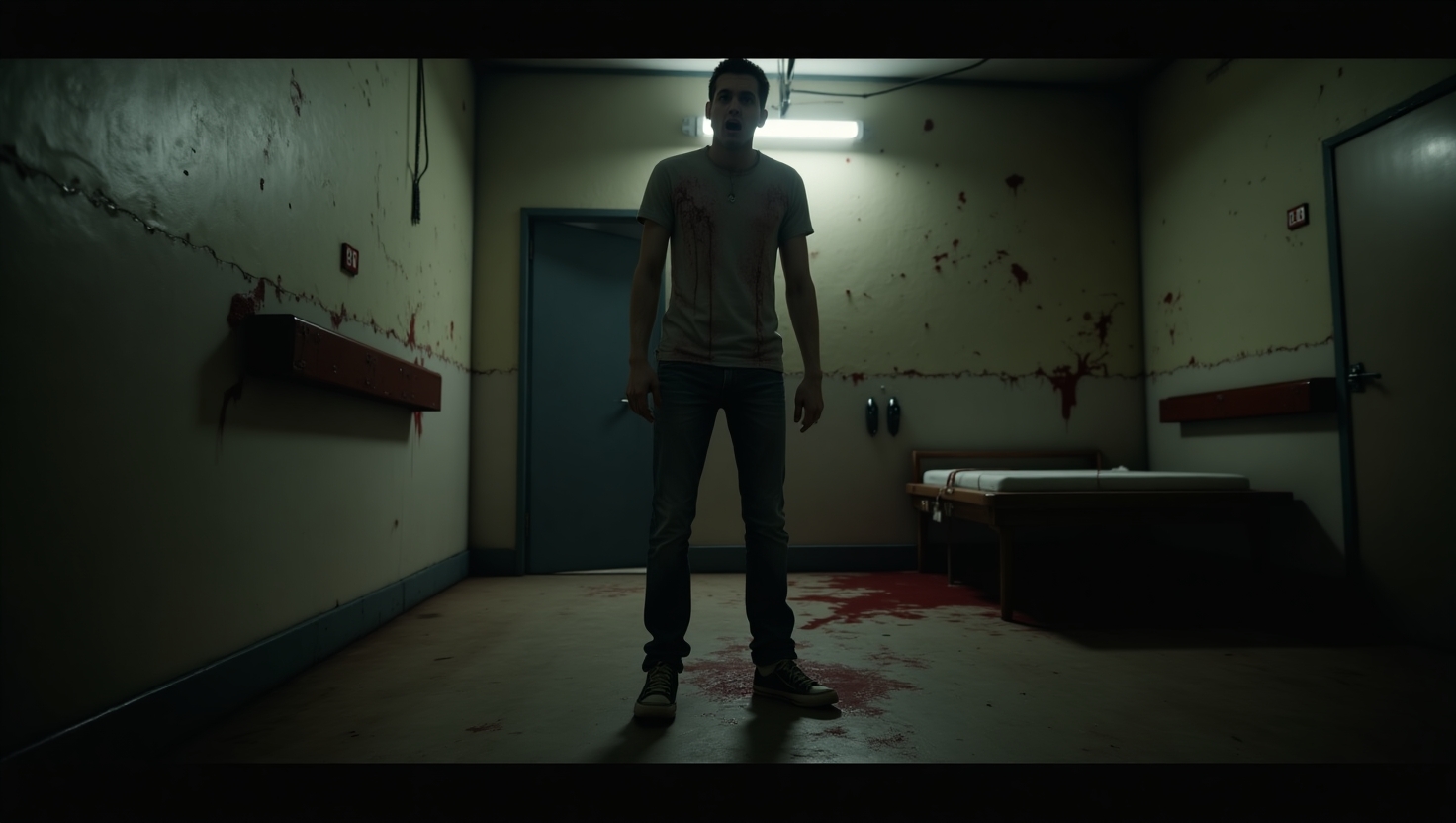
The heart of Outlast’s horror lies in its environmental design. The game is set in the Mount Massive Asylum, a disorienting, labyrinthine environment that evokes the classic maze-like structures of iconic titles such as Silent Hill. This design element is not just about architecture; it represents a psychological battlefield, amplifying feelings of claustrophobia and helplessness.
Moreover, resource management becomes a critical mechanic. Players must judiciously conserve battery life for their camcorder, the only tool that enables vision in the dark. This echoes the classic survival horror analysis, where players are challenged to balance exploration with survival—a dance of pragmatism and desperation.
Comparison with Classic Survival Horror Games
Outlast pays homage to its forebears, drawing inspiration from genre giants such as Resident Evil and Silent Hill. These games established foundational elements—limited resources, intricate environments, and relentless enemies—that Outlast refines to create modern dread. Unlike the zombie outbreaks of Resident Evil, the threats in Outlast are more psychological, playing on mental vulnerabilities.
The enemy dynamics in Outlast diverge from its predecessors by removing the power to fight back. The player is a journalist, not a seasoned warrior, pushing players toward stealth rather than confrontation. This inversion of power dynamics, a hallmark in horror game reviews, compels players to rethink survival strategies, fostering a unique form of engagement synonymous with the anxiety of being pursued.
Game Storytelling: The Narrative Experience of Outlast
At its core, Outlast is a character-driven narrative steeped in psychological horror. Players assume the role of investigative journalist Miles Upshur, whose journey is defined by themes of fear and insanity. These narrative threads evoke deep emotional responses, wherein the asylum becomes a character in itself—a haunting tapestry woven with stories of suffering and madness.
The narrative experience capitalizes on the power of ambiguity, leaving players questioning reality and doubting morality, akin to reading a psychological thriller where every chapter reveals unsettling truths. This approach to game storytelling underscores the importance of narrative as a tool to drive emotional engagement, seen in horror game reviews where story integration is often hailed as pivotal.
Reception and Critique: What the Critics Say
Outlast has been the subject of extensive horror game reviews, praised for its chilling atmosphere and narrative depth. Critics commend the immersive experience, likening it to a visceral rollercoaster that excites as much as it terrifies. It’s noted within survival horror analysis that the game pushes boundaries with its relentless pursuit mechanics and atmospheric storytelling.
However, some critiques highlight its depictions of mental illness and graphic content, sparking discussions about ethical storytelling in horror genres. Despite this, player feedback remains overwhelmingly positive, underscoring the significance of delivering an experience that is both haunting and thought-provoking—a testament to Outlast’s design and narrative mastery.
Conclusion: The Legacy of Outlast in the Survival Horror Genre
Outlast’s legacy in horror gaming is profound, setting a benchmark for atmosphere and storytelling that resonates with both players and developers. Its lasting impact can be seen in the way modern horror games prioritize narrative depth and emotional immersion, foreseeing a future where player engagement is driven by complex stories interwoven with genuine fear.
As we continue to explore new frontiers in horror game storytelling, it’s evident that Outlast will remain a touchstone for developers seeking to craft unforgettable horror experiences.
Further Reading
For enthusiasts seeking additional insights into the genre, consider exploring The Best Survival Horror Games, which ranks influential titles and provides a deeper understanding of survival horror’s evolution.
Interested readers can also delve into various horror game reviews and analyses, further discovering how these games continue to captivate and terrify audiences worldwide. For more on this fascinating genre, check the related article, \”Survival horror games\”, which discusses pivotal elements defining these immersive experiences.