
The Impact of the PS5 Storage Shift on Gamers and the Industry
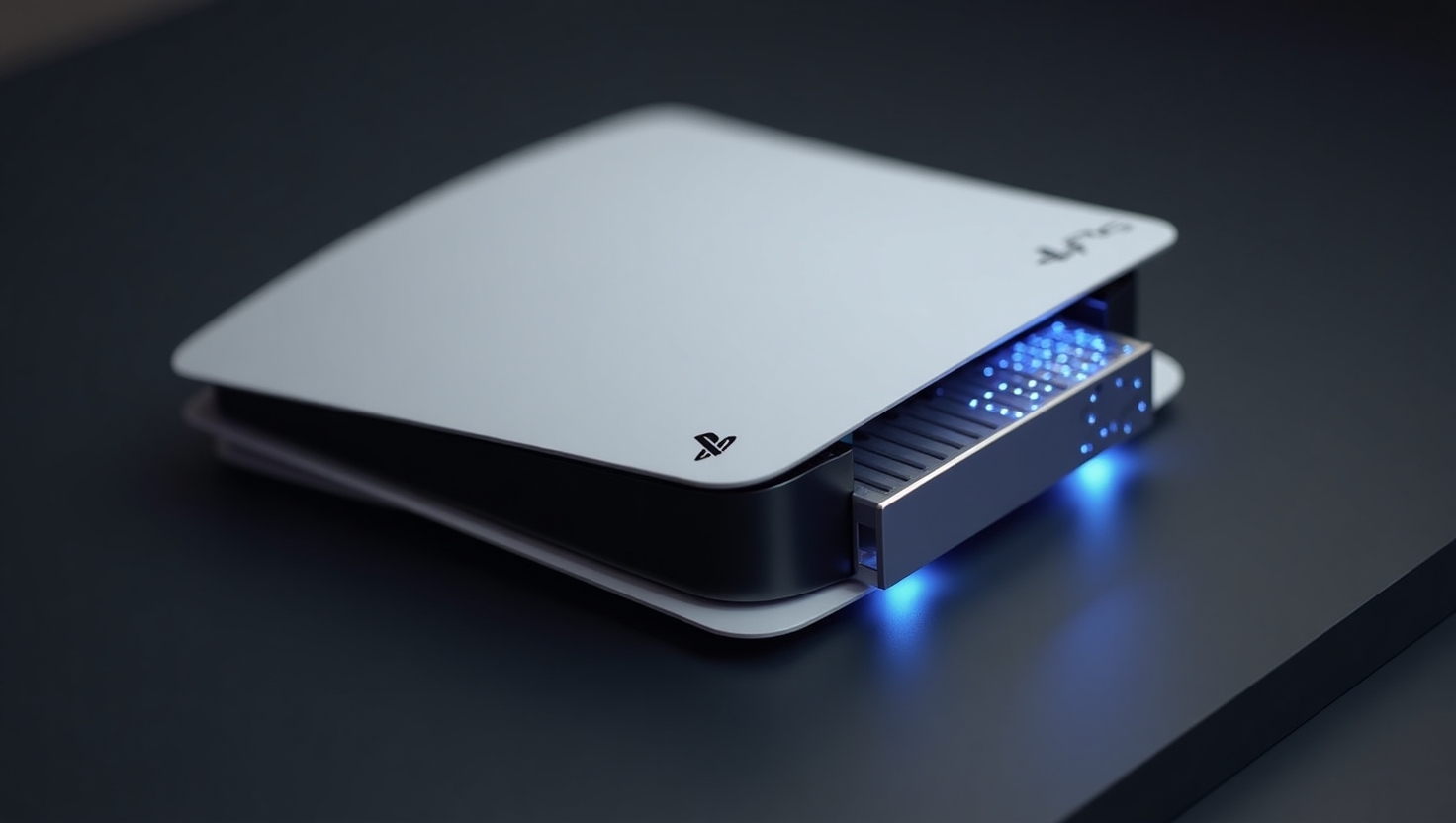
The gaming industry, characterized by rapid innovation and adaptation, recently witnessed a controversial change with the PS5 Storage Shift. As Sony shrinks the standard PS5 model’s storage from 1TB to 825GB, maintaining the same price of $499.99, questions arise about the potential implications for gamers and the industry at large. Storage capacity plays a pivotal role in the gaming experience, influencing everything from game loads to future-proofing, making the PS5 Storage Shift a topic worthy of a thorough examination.
Introduction to the PS5 Storage Shift
Sony’s decision to reduce the PS5’s storage capacity comes in tandem with the release of a new standard slim model in the U.S. While the physical footprint of the console has decreased, it remains crucial to delve into why storage—a critical component—has been cut by 175GB. This change has raised eyebrows among gamers, particularly given the growing demands of modern games, many of which now exceed 100GB per title.
The implications of the PS5 Storage Shift extend beyond individual gamers, promising to impact gaming trends and consumer expectations for years to come. Understandably, this shift brings to the forefront discussions regarding storage needs amid ever-expanding game libraries and the increasing relevance of downloadable content (DLC).
Understanding the Changes in Gaming Hardware
Gaming hardware continuously evolves, reflecting broader trends in technological advancement. This evolution is mirrored in Sony’s decision to reduce the PS5 storage capacity, a move characteristic of broader gaming hardware changes. Historically, console manufacturers adjust storage capacities to align with technological advancements, consumer demand, and cost management.
As we look toward the future, these adjustments may signal preparation for further innovations. For instance, trends observed in PS5 trends 2025 suggest an increased reliance on cloud storage solutions and the potential for higher-performance SSDs as standard components. Meanwhile, PlayStation storage issues remain a notable concern as gamers weigh physical and digital game purchases.
Reasons Behind Sony’s Decision
Understanding Sony’s strategy requires a multifaceted look at pricing, design, and internal changes. While maintaining a price of $499.99 despite reduced storage might seem counterintuitive, it aligns with broader corporate strategies that consider manufacturing efficiencies and cost control. According to a report from PSXExtreme, these changes have also been mirrored in the EU market, suggesting a tactical approach to global distribution (source: PSXExtreme).
Sony’s effort to refine the PS5’s design and internal components might offer long-term benefits such as improved cooling systems or reduced power consumption, potentially justifying the price retention without significant backlash from consumers. However, this decision undeniably influences consumer perception, as discerning gamers might now lean towards the $549.99 option with 1TB storage or even consider the 2TB PS5 Pro at a higher cost.
The New Standard Slim PS5 Model
The introduction of the standard slim PS5 model at $499.99 reflects a broader industry trend towards more compact hardware designs. This trend is not merely about aesthetics; smaller consoles signify advancements in component miniaturization and efficiency. With the original model costing $549.99, consumers have options to weigh storage against pricing.
Additionally, the availability of the 2TB PS5 Pro marks a significant moment in the console market, catering to those who prioritize ample storage for expansive game collections or multimedia usage. These price points reflect a careful balancing act by Sony, navigating the line between innovation and customer satisfaction.
Future Trends and Predictions in Console Storage
Looking forward, the landscape of console storage promises exciting shifts. As gaming experiences become increasingly data-heavy, driven by virtual and augmented reality expansions, PS5 trends 2025 predict a shift towards more diversified storage solutions. These may include cloud integration providing expandable storage capabilities without physical hardware alterations.
Competition will likely drive both Sony and other console manufacturers to innovate in response to these console updates, crafting solutions that address contemporary PlayStation storage issues. As hardware capabilities expand, the line between console and PC gaming storage solutions might blur, ultimately benefitting consumers.
Conclusion: What This Means for the Gaming Community
In summary, the PS5 Storage Shift signifies a crucial moment in gaming evolution, nudging gamers to reassess their storage requirements. For enthusiasts, this change may prompt a consideration of buying patterns—embracing digital downloads or investing in additional storage. Meanwhile, industry observers will look to how Sony and competitors respond to these shifts, anticipating exciting developments that redefine gaming experiences.
As gamers navigate this evolving landscape, they remain at the forefront of an industry where storage, design, and performance intersect. These developments underscore the need for players and manufacturers alike to remain adaptable and forward-thinking.
Further Reading and Resources
For those interested in delving deeper into these topics, PSXExtreme offers an insightful exploration into recent PS5 changes (source). Additionally, users are encouraged to explore articles on gaming hardware changes and PS5 trends 2025 for a comprehensive understanding of the dynamic gaming environment. As always, staying informed ensures that both gamers and industry stakeholders can anticipate and navigate the future of gaming technology.