
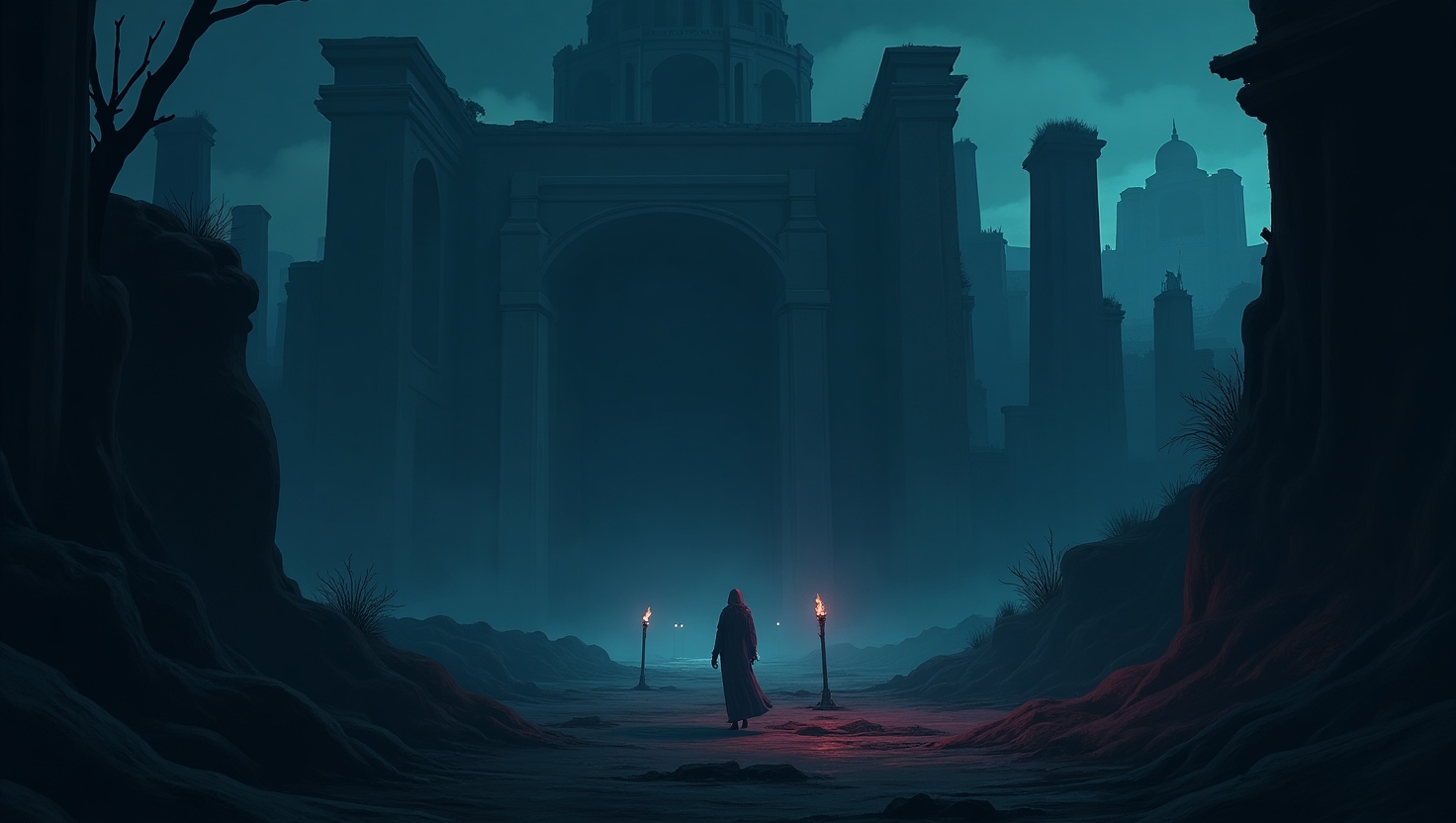
The Art of Storytelling in The Nameless City: A Deep Dive into Narrative Horror
Introduction to The Nameless City
In the ever-evolving landscape of video games, storytelling plays a crucial role in engaging players and creating immersive experiences. One game that stands out in this regard is The Nameless City, developed by Sometimes You and Paradnight Studio. Released on PlayStation 5, this affordable yet captivating adventure is priced at just $9.99, making it an accessible treasure for fans of narrative horror. The game invites players into a chilling world inspired by H.P. Lovecraft’s writing, weaving storytelling in The Nameless City into a rich, evocative tapestry that shapes the entire gaming experience. This post will explore how this game exemplifies narrative horror through its deliberate craftsmanship and immersive storytelling.
Exploring Narrative Horror in Video Games
Narrative horror is a unique genre that combines the fear-inducing elements of horror with the deep storyline often found in novels and films. It focuses on storytelling that provokes fear and tension, often set in a meticulously crafted world that keeps players on the edge of their seats. The Nameless City stands out in this genre by combining game design principles with immersive experiences that delve deeply into the human psyche. By integrating the grotesque and the mysterious, it entices players into a world where every dark corner tells a story. As players navigate this narrative-driven horror, they encounter suspenseful twists that engage their emotions, illustrating the game’s brilliant integration of storytelling and design.
The Inspiration Behind The Nameless City
Drawing heavy inspiration from the unsettling universe of H.P. Lovecraft, The Nameless City captures the essence of Lovecraft’s distinctive narrative style. Much like Lovecraft’s work, the game invites players to ponder the unknown and fear the indescribable. In doing so, it mirrors Lovecraft’s original tale, which is considered the first story in the Cthulhu mythos universe source. The game’s atmosphere reflects Lovecraft’s signature touch, blending elements such as ancient curses and forgotten civilizations to enhance its horror narrative. The eerie exploration of an underground city echoes Lovecraft’s themes of cosmic horror, leaving players to question their sanity as they delve deeper into the narrative abyss.
Gameplay Mechanics and Story Integration
In The Nameless City, gameplay mechanics are intricately linked with narrative storytelling. As an example, consider the way the game guides players through the underground city. This exploration becomes an emotional journey where each player’s action and decision impacts the unfolding story, much like a choose-your-own-adventure novel. The seamless integration of mechanics with plot elements ensures that every discovery is laden with narrative significance, making storytelling in The Nameless City not just an aspect of the game but its very backbone. As players progress, they uncover secrets and face challenges that further entrench them in the atmospheric horror of the Lovecraftian plotline.
The Role of Immersive Experiences in Storytelling
Immersive experiences in gaming are pivotal in establishing a deep connection between the player and the story. In this context, immersion refers to the extent to which players feel absorbed and emotionally invested in the game environment. The Nameless City excels in creating such an experience, using meticulously crafted environments and atmospheric sound design as tools to draw players into its world. Each sound, shadow, and light within the game is carefully designed to evoke emotions, making for a storytelling experience that is profoundly impactful. This form of immersive storytelling leads players to feel as if they have stepped directly into a Lovecraftian universe, where their own senses become gateways to understanding the narrative.
The Trophy System as a Narrative Tool
Surprising as it may sound, The Nameless City utilizes its trophy system not merely as a reward for gameplay achievements but as a narrative device that enriches player engagement. With goals leading up to the coveted Platinum trophy, the system subtly encourages players to explore every corner of the game’s narrative landscape. Each achievement prompts further exploration and interaction with the game world, serving as a catalyst for uncovering hidden story elements. As players progress, these trophies not only reward accomplishments but also reveal layers of narrative depth, enhancing the storytelling experience by inspiring thorough engagement with the game’s plot and setting.
Conclusion: The Impact of Storytelling in The Nameless City
Storytelling in The Nameless City not only defines the game but also expands the boundaries of the narrative horror genre through its clever use of immersive experiences and meticulous game design. By blending the chilling inspiration of H.P. Lovecraft with innovative storytelling techniques, the game creates an engaging experience that resonates with players long after they’ve turned off their PS5. For fans of narrative storytelling and horror, The Nameless City stands as a testament to the power of interactive storytelling in modern gaming. For those who have yet to experience its evocative tales, the game’s haunting corridors and secrets await your exploration. Discover these stories yourself on the PS5 and become a part of this immersive narrative world.
For more on this narrative-driven horror adventure, explore The Nameless City on PlayStation 5.